Descrizione
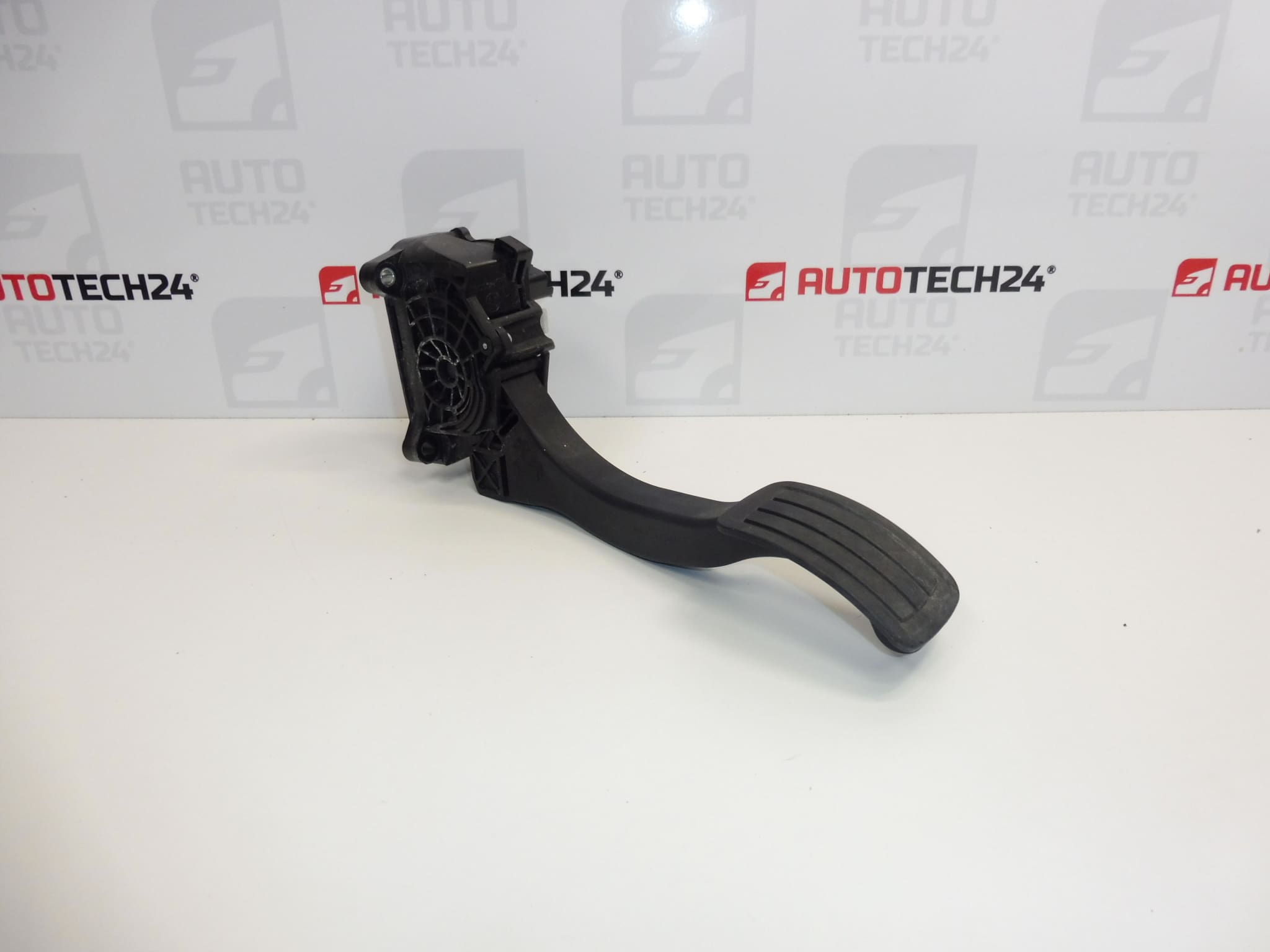
BOSCH accelerator pedal for Stellantis vehicles
Part description
Used BOSCH accelerator pedal with product numbers 9674829780 and 9838028180 is designed for electronic control of the acceleration request. In this type of part, the pedal position sensor sends information about pedal depression to the control unit. Proper operation is important for a smooth and predictable vehicle response when the accelerator is pressed.
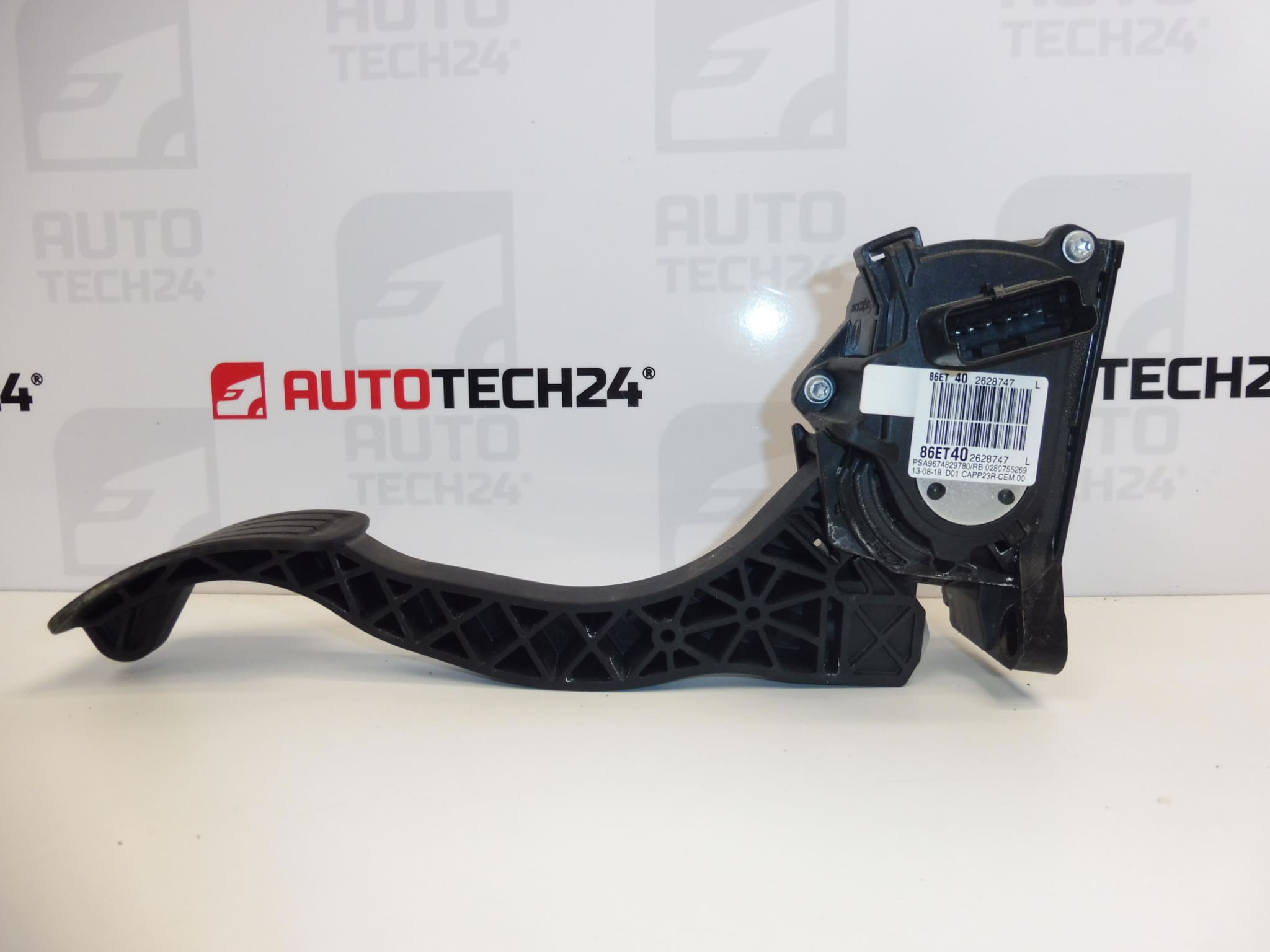
It offers an option for replacing a faulty pedal during vehicle repair without purchasing a new part. When selecting, primarily follow the markings on the original part, connector design and mounting. The list of models in the source material does not in itself indicate compatibility with all their variants.
Technical information
- Manufacturer: BOSCH
- Model: CITROEN BERLINGO III; Citroën Berlingo K9; FIAT DOBLO III; OPEL COMBO E K9; PEUGEOT PARTNER III; PEUGEOT RIFTER; Toyota ProAce City
- Part type: accelerator pedal with electronic position sensing
- Condition: used automotive part
- Product numbers: 9674829780, 9838028180
- Additional numbers: not specified
- Model years and engine versions: not specified
Product codes
- Product codes: 9674829780, 9838028180
Both numbers are listed in the source material for the pedal on offer. Compare them with the markings on the removed part; visual similarity alone does not necessarily mean the pedals have the same electrical specification.
Installation recommendations
The following procedure is general guidance for electronic accelerator pedals. The exact removal procedure, access to the mounting points and any adjustment after replacement depend on the specific vehicle model and configuration. Follow the manufacturer’s service procedure.
1) Before installation
- Compare the product numbers, pedal shape, mounting points and connector design with the old part.
- Inspect the housing, pedal arm and mounting parts. They should not be cracked or deformed.
- Check that the pedal moves smoothly and returns to its initial position on its own. Do not use excessive force.
- Inspect the contacts and connector lock. Look for corrosion, moisture, bent contacts or signs of overheating.
- Before replacement, also check the wiring and connector in the vehicle, as the fault may not be directly in the pedal.
2) Tools and materials required
- Standard hand tools suitable for the fasteners used.
- A suitable tool for carefully releasing any covers and a flashlight.
- A clean cloth and, if necessary, a product intended for cleaning electrical contacts.
- A diagnostic tool suitable for the vehicle, especially for checking the pedal signal and fault memory.
3) Step-by-step installation procedure
- Secure the vehicle against movement and remove any objects or mats that could restrict pedal movement.
- If possible, read and record the fault codes and any available pedal position data before removal.
- Switch off the ignition and, following the manufacturer’s instructions, allow the electronics to enter standby mode. Disconnect the battery according to the service procedure for the specific vehicle.
- Gain access to the pedal mounting. Carefully remove any obstructing covers without damaging clips or wiring.
- Note the original routing of the wiring harness so it can be returned to the same position.
- Release the lock on the electrical connector and disconnect it by gripping the connector body, not by pulling the wires.
- Remove the fasteners, support the pedal and take it out. Check the condition of the contact and mounting surfaces.
- Compare the two parts once more and remove any dirt from the installation area. Do not introduce liquids into the pedal mechanism or electrical section.
- Position the replacement pedal without tension and secure it according to the vehicle manufacturer’s specifications. Do not compensate for an incorrect position by forcibly tightening it.
- Connect the connector until its lock engages and route the wiring so that it is not strained, chafed or in the way of pedal movement.
- Reinstall any removed covers, restore the power supply according to the manufacturer’s instructions and check that the pedal moves freely. Carry out any required adjustment using suitable diagnostic equipment.
4) Post-installation checks and function verification
- With the engine off, check that the pedal moves smoothly and returns properly, and that there is sufficient space for its movement, including correct positioning of the floor mat.
- If the diagnostic tool can monitor pedal position, check that the readings change smoothly as the pedal is slowly pressed and released.
- Check the fault memory. Do not erase any faults without first assessing their cause.
- After a successful stationary check, verify the vehicle’s response with a short test drive in a safe place. If the throttle response is irregular, the pedal sticks or a warning message appears, stop driving and resolve the fault.
5) Common installation mistakes and how to avoid them
- Mixing up pedals that look similar: compare the markings, connector and mounting points.
- Connector not fully secured: check that it is seated correctly and that the lock works, not just that the connector is plugged in.
- Pinched or tensioned wiring: retain the original routing and check it after reinstalling the covers.
- Damage to the mounting from overtightening: follow the vehicle manufacturer’s procedure and specified tightening torque.
- Replacement without checking the cause: also inspect the contacts and wiring to ensure the original problem is resolved.
Reasons why the part may become damaged
For electronic accelerator pedals in general, the following causes of damage or malfunction are possible. This is not a description of the condition found in the part on offer.
- Prolonged mechanical stress on moving parts and the return mechanism.
- Moisture and dirt, which may damage electrical contacts or affect the operation of the mechanism.
- Damaged connector or wiring, for example as a result of pulling on wires, chafing or careless removal.
- Mechanical impact or overload, which may cause the housing, arm or mounting points to crack.
- Position sensing fault, which may result in an irregular or implausible signal to the control unit.