Descrizione
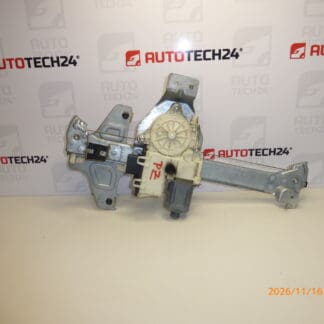
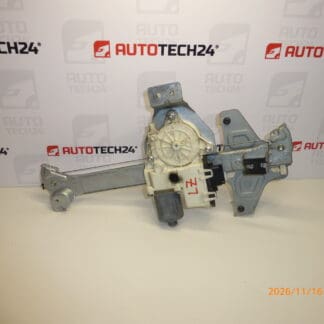
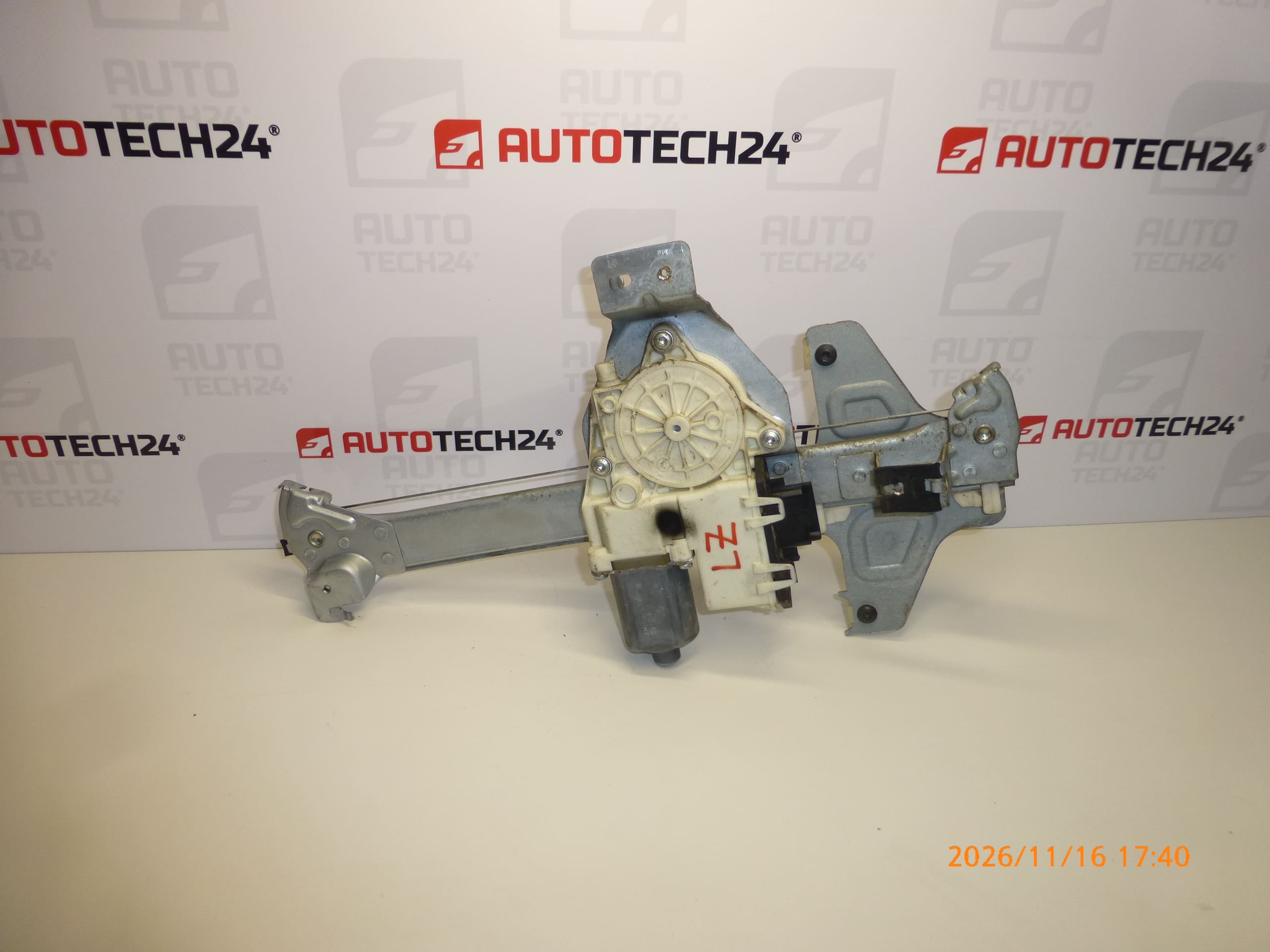
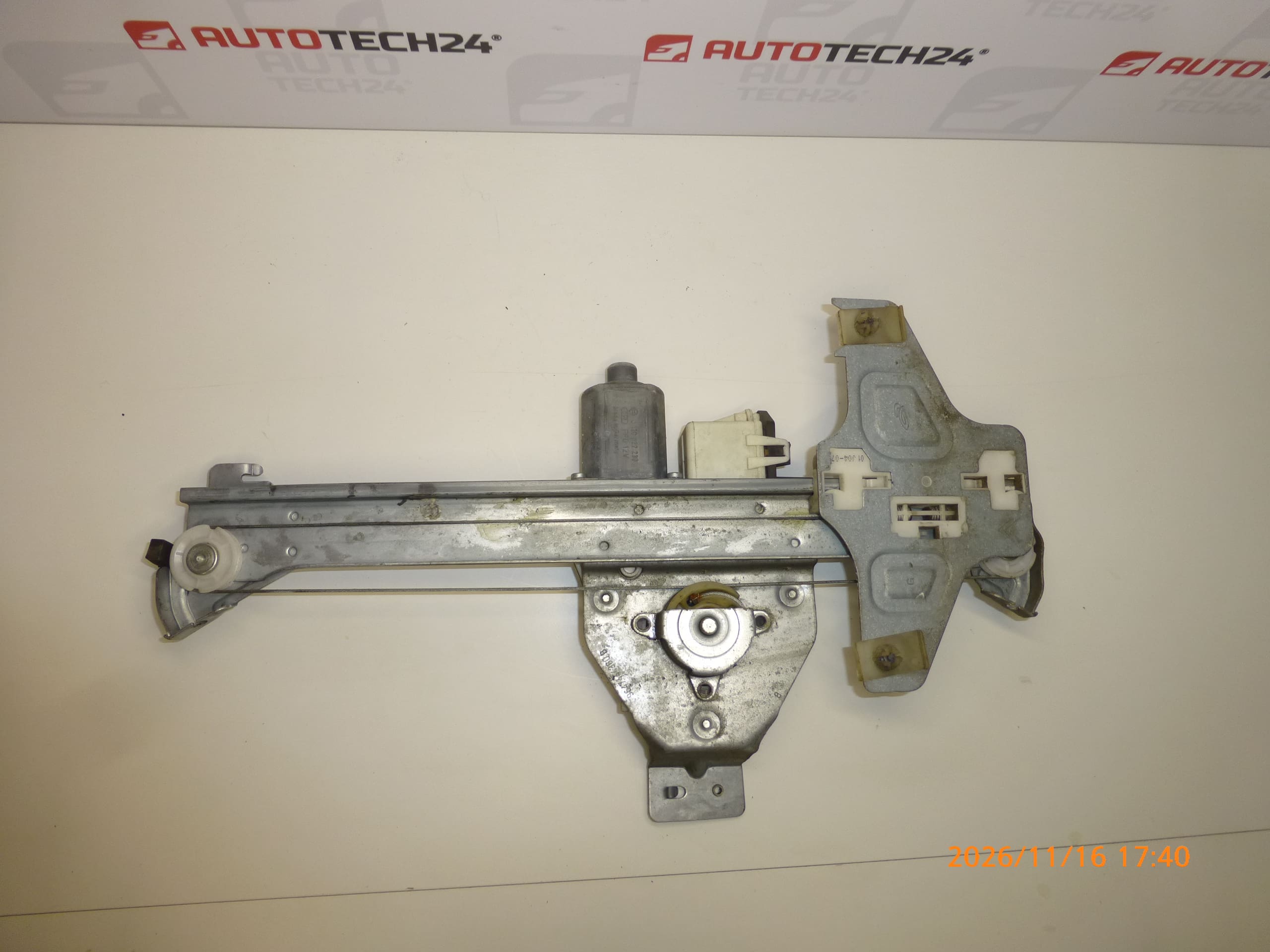
Left rear window regulator mechanism for CITROËN C4 5-door first series
Door behind the driver
Part description
Used left rear window regulator mechanism for the first-series Citroën C4 in the five-door configuration guides and moves the glass in the door behind the driver. It is a suitable solution when replacing a damaged window regulator, for example if the window moves irregularly, sticks or does not stay in position. Before replacing it, it is important to distinguish a mechanical fault from a problem with the controls or electric motor.
When selecting a replacement, compare the numbers 9647444380, 922390 and 9223G9, the design of the mechanism and its mounting points with the original part. The information provided does not state whether a motor is included, so its presence cannot be assumed.
Technical information
- Manufacturer: not specified; the information provided lists the designation Stellantis CITROEN PEUGEOT.
- Model: Citroën C4.
- Vehicle configuration: 5 doors, first series.
- Location: left rear door, behind the driver.
- Part type: window regulator mechanism.
- Condition: used part.
- Additional numbers: 9223G9.
- Motor and other accessories included: not specified.
Product codes
- Product codes: 9647444380, 922390, 9223G9.
Product numbers make it easier to identify the correct window regulator configuration. When selecting a part, also take into account that it is intended for the left rear side and the five-door body of the stated model.
Installation recommendations
The following general procedure applies to this type of part. The exact procedure for removing the door trim, securing the glass and mounting the mechanism depends on the specific vehicle configuration. Follow the manufacturer’s service procedure.
1) Before installation
- Compare the markings, shape of the mechanism, mounting points and glass mounts with the old part. If electrical components are present, compare their connections as well.
- Check the used part for deformation, corrosion, cracks and damaged mounts. For a cable-type mechanism, also inspect the cables, their routing and the pulleys.
- Check the condition of the glass guides and seals. A sticking window can overload even a properly functioning mechanism.
- Prepare a safe way to secure the glass. Once released from the window regulator, the glass must not fall freely into the door.
2) Required tools and materials
- Standard hand tools suitable for the fasteners used.
- A plastic trim removal tool for carefully removing the door trim.
- Suitable tools for securing the glass, protective gloves and protection for painted surfaces.
- Cleaning products suitable for the surfaces involved and, if necessary, material for restoring the seal of the door protective film.
- If non-removable fasteners are used, tools and suitable fasteners in accordance with the service procedure.
3) Step-by-step installation procedure
- Secure the vehicle against movement, switch off the ignition and prepare a clean work area.
- If the controls are working, position the glass to allow access to its mounting points, following the service procedure. Do not force a faulty mechanism.
- Before disconnecting electrical components, disconnect the battery as specified by the vehicle manufacturer.
- Carefully remove the door trim. Release the relevant fasteners and any connectors without pulling on the wires.
- Carefully remove the protective film or inner cover, if present. Try to preserve their sealing surfaces.
- Secure the glass against falling, release it from the mechanism and safely support or secure it as specified in the service procedure.
- Release the original window regulator’s mounts and remove it without damaging the wiring, glass or inner door components.
- Compare the two mechanisms side by side. Transfer a separate motor only if the design and service procedure permit it.
- Insert the replacement mechanism and secure it at the specified mounting points. Ensure it is correctly seated without twisting and that the moving parts have a clear path.
- Position and secure the glass. Check that it sits correctly in the guides and that its mounts are not under lateral stress.
- Reconnect the disconnected electrical components and restore the power supply as instructed by the manufacturer. After removing the temporary glass supports, carefully check the operation; keep your hands and tools clear of moving parts.
- After a successful functional test, restore the seal of the protective film or cover and refit the door trim. If required for the specific configuration, initialize the window controls according to the manufacturer’s instructions.
4) Post-installation checks and function verification
- Carefully test lowering and raising the window several times. It should move smoothly, without tilting, sticking or unusual noise.
- Check that the glass sits properly against the seal and that the installed trim is secure.
- Verify the operation of the relevant controls and any additional functions, according to the vehicle’s actual equipment.
- During a short test drive with the window closed, listen for any rattling or increased wind noise. If a fault occurs, check the seating of the glass and mechanism again.
5) Common installation mistakes and how to avoid them
- Glass not secured sufficiently: always support or secure it safely before releasing the mounts.
- Mechanism incorrectly seated: check the position of all mounting points and the glass guides before tightening.
- Faulty guides or seals left unrepaired: eliminate the cause of increased resistance so the replacement part is not subjected to unnecessary strain.
- Pinched wiring or incorrectly routed cable: before testing, make sure nothing obstructs the path of the mechanism.
- Protective film not sealed: carefully restore its seal to prevent water from reaching the trim and interior.
Reasons why the part gets damaged
Window regulator mechanisms generally become damaged mainly due to wear and increased resistance as the glass moves. The following causes do not describe the condition of the part offered:
- Wear of moving parts and mounts due to prolonged use.
- Damage to cables or pulleys in cable-type mechanisms, such as a frayed cable or a broken guide.
- Dirty or deformed glass guides, which increase the load on the window regulator.
- Attempting to open a frozen window or operating it while movement is obstructed.
- Moisture and corrosion, which can restrict movement and weaken individual components.
- Incorrect previous installation or door damage, which can cause the glass to move outside its correct path.