Descrizione
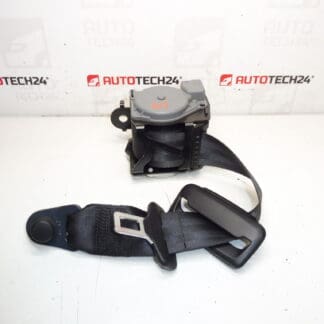
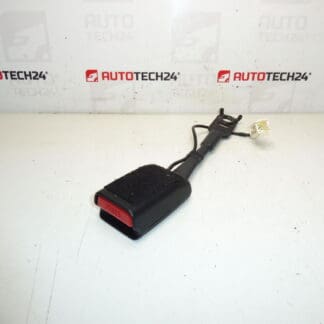
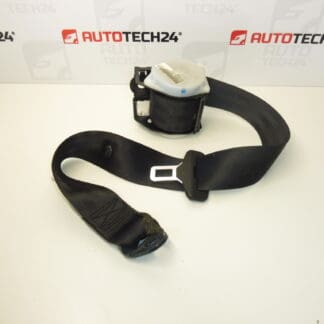
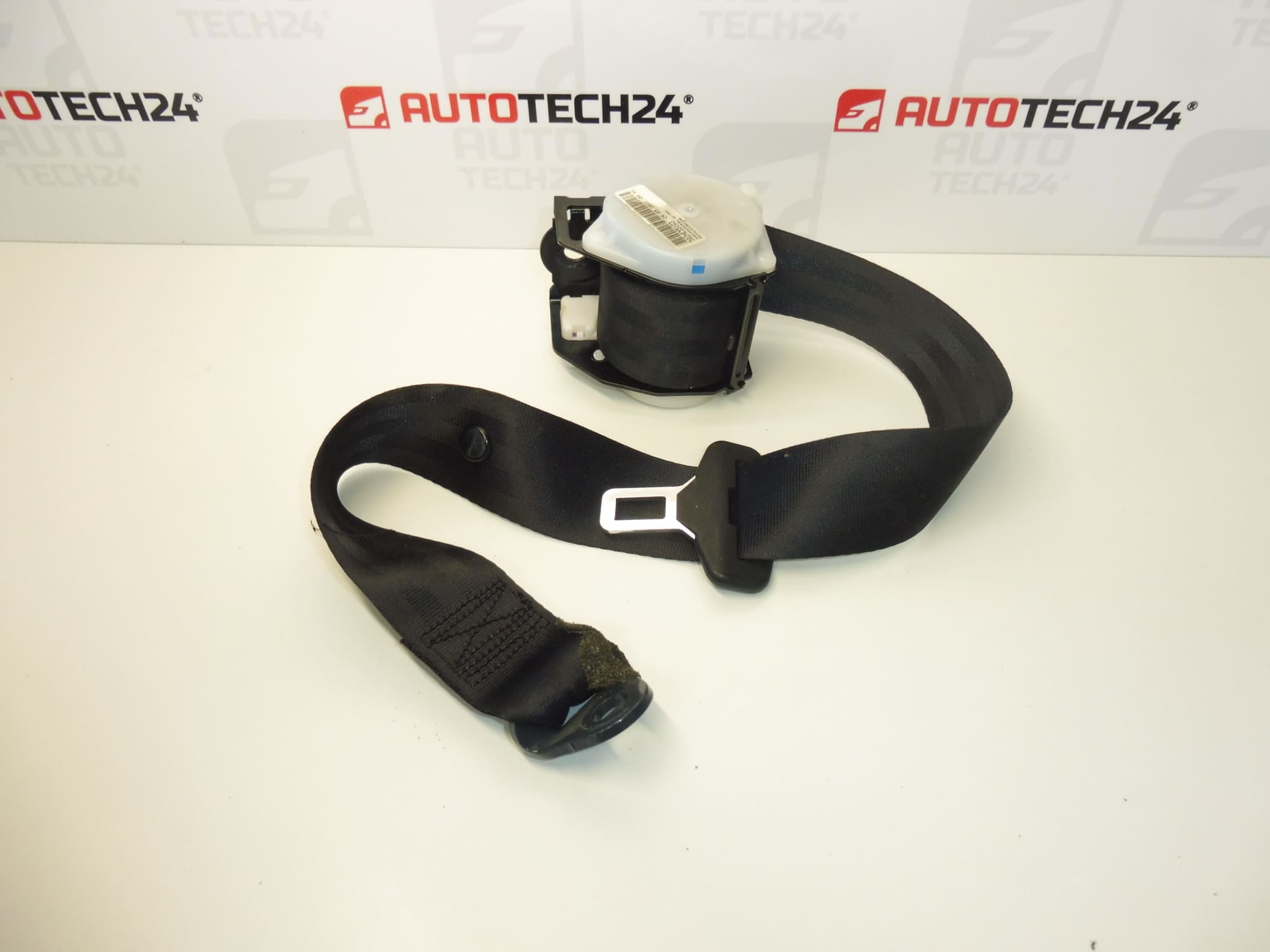
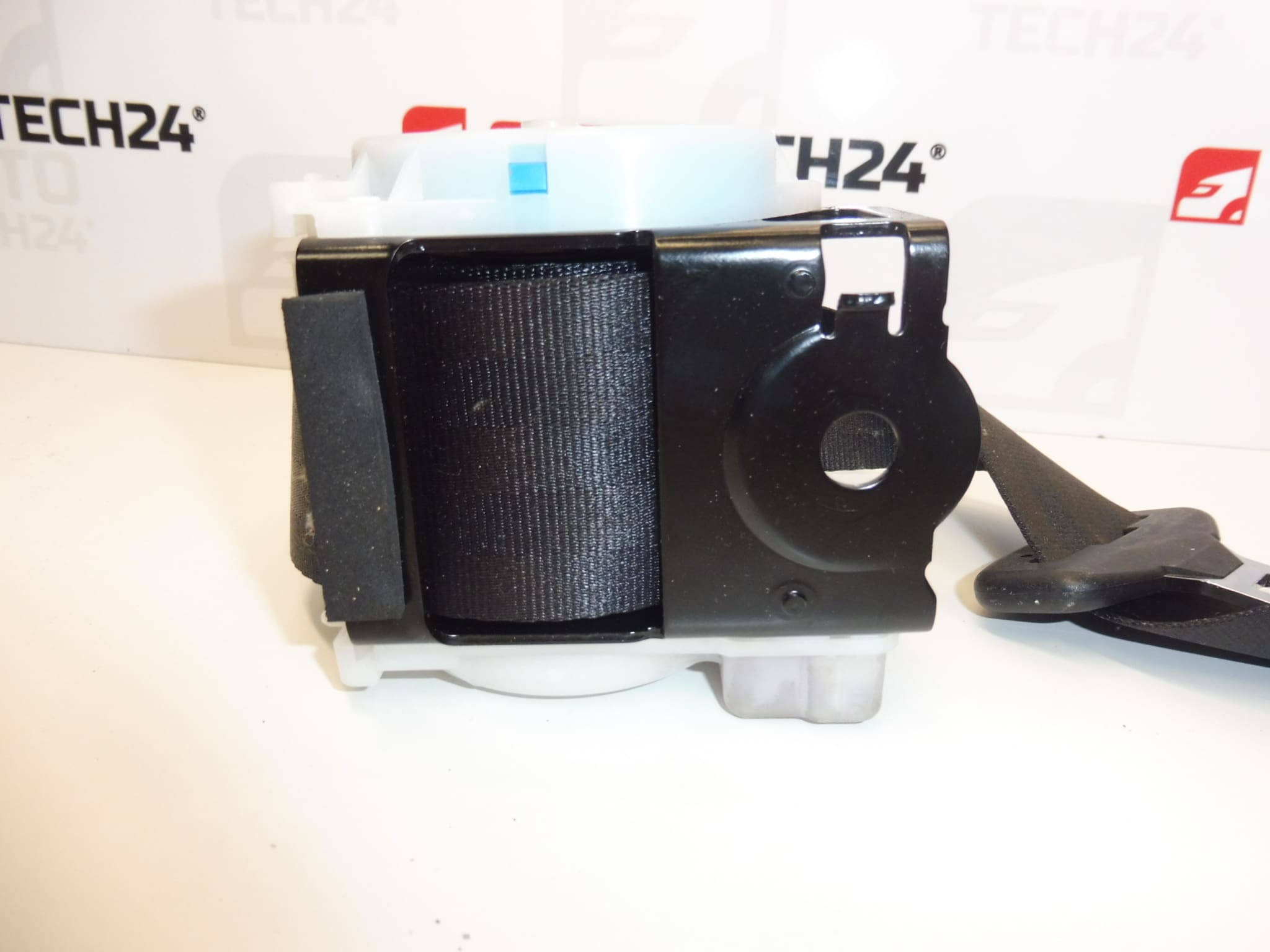
Middle rear seat belt for Citroen C4 II and DS4
Rear seat belt retractor bracket
FXX finish – BLACK
Part description
Used middle rear seat belt for Citroen C4 II and DS4 in black FXX finish is intended for the restraint system of the middle rear seat. The product information also lists a seat belt retractor bracket. When looking for a replacement, the key reference numbers are 96871540XX, 8975ZS and 8976C3, which make it easier to compare with the original part.
A properly functioning seat belt allows the passenger to buckle up, the webbing to extend and retract smoothly, and the belt to lock during sudden movement. Because this is a vehicle safety component, its condition and compatibility must be carefully assessed before selection and installation. Matching the color or model designation alone is not sufficient for choosing the right part.
Technical information
- Manufacturer: not specified
- Model: Citroen C4 II, DS4
- Part type: middle rear seat belt
- Location: middle rear seat
- Finish: FXX – BLACK
- Condition: used part
- Additional numbers: 8976C3
Product codes
- Product codes: 96871540XX, 8975ZS, 8976C3
Before selecting a part, compare the markings on the original belt, the shape of the bracket, the mounting points, and the tongue design. The numbers listed are taken from the product information; they should not, on their own, be taken to indicate suitability for all variants of the models listed.
Installation recommendations
General guidance for this type of part: access to the belt, removal of surrounding parts, and the fastening method depend on the specific vehicle model and configuration. The following procedure is general guidance, not a model-specific service manual. We recommend having a seat belt replaced by a professional workshop and always following the vehicle manufacturer’s documentation.
1) Before installation
- Compare the part numbers, retractor design, bracket, mounting points, webbing routing, and tongue with the old part.
- Inspect the webbing along its entire accessible length. It must not be cut, frayed, scorched, hardened, or have damaged stitching.
- Check the bracket, retractor housing, and fastenings for deformation, cracks, and corrosion.
- Do not use a belt showing signs of crash loading or whose safety condition is uncertain. A visual inspection alone does not guarantee that a used belt will function safely.
2) Required tools and materials
In general, prepare suitable hand tools for the fasteners used, a torque wrench, tools for careful removal of trim, a flashlight, and the service documentation. Determine whether new fasteners are required according to the manufacturer’s instructions; do not reuse single-use fasteners.
3) Step-by-step installation procedure
- Secure the vehicle against movement and prepare a clean work area free of objects that could damage the webbing.
- Check the replacement procedure and safety precautions in the service documentation. If the configuration includes electrical or pyrotechnic components, follow the specified power disconnection procedure and waiting period.
- Access the belt fastenings by removing only the necessary surrounding parts, following the instructions for the specific vehicle.
- Before releasing the original part, note the webbing routing, retractor orientation, and order of the fastening components.
- Release the mounting points and remove the original belt. Protect the surrounding trim and any wiring from damage.
- Inspect the vehicle’s mounting points. If there is deformation, damaged threads, or significant corrosion, stop the installation and arrange for a professional assessment.
- Position the replacement part in the correct orientation and route the webbing along its original path without twisting or pinching it. Do not disassemble the retractor or pull the belt out by force.
- Install the fasteners in the specified order and tighten them according to the manufacturer’s documentation. Do not guess the tightening torques.
- Before refitting the trim, check that the belt moves freely and is routed correctly. Then refit the removed parts and check that the webbing does not rub anywhere.
4) Post-installation checks and function verification
With the vehicle stationary, check several times that the belt extends and retracts smoothly, that the tongue buckles and releases correctly, and that it engages in the corresponding buckle. Check the locking function using the method specified by the manufacturer; the installation position also matters for standard retractors. Do not test the seat belt’s safety by braking sharply with a passenger on board. A test drive does not replace an inspection of the restraint system. If there is any doubt, do not use the middle rear seat until the problem has been professionally resolved.
5) Most common installation mistakes and how to prevent them
- Twisted webbing: check its entire path before refitting the trim.
- Incorrect retractor orientation: maintain the original installation position and follow the service procedure, otherwise the mechanism may lock.
- Mixing up fasteners or tightening them incorrectly: follow the documentation, do not guess.
- Lubricating the retractor or aggressively cleaning the webbing: do not use oils, solvents, or other products not approved by the manufacturer.
- Overlooking damage after an accident: do not assess whether the belt is safe to use based solely on whether it retracts.
Reasons why the part may become damaged
Seat belts in general can be damaged by the following causes in particular; this is not a description of defects in this specific part:
- Loading during a road accident, which can damage the webbing, mounting components, and mechanism without any obvious external signs.
- Mechanical stress on the webbing from being pinched, rubbing against sharp edges, or prolonged use while twisted.
- Dirt and moisture, which can impair retractor operation and cause corrosion of metal parts.
- Chemical and heat damage to the webbing fibers from unsuitable cleaning or exposure to high temperatures.
- Unprofessional repairs and incorrect installation, especially disassembling the retractor, modifying the bracket, or routing the belt incorrectly.