Descrizione
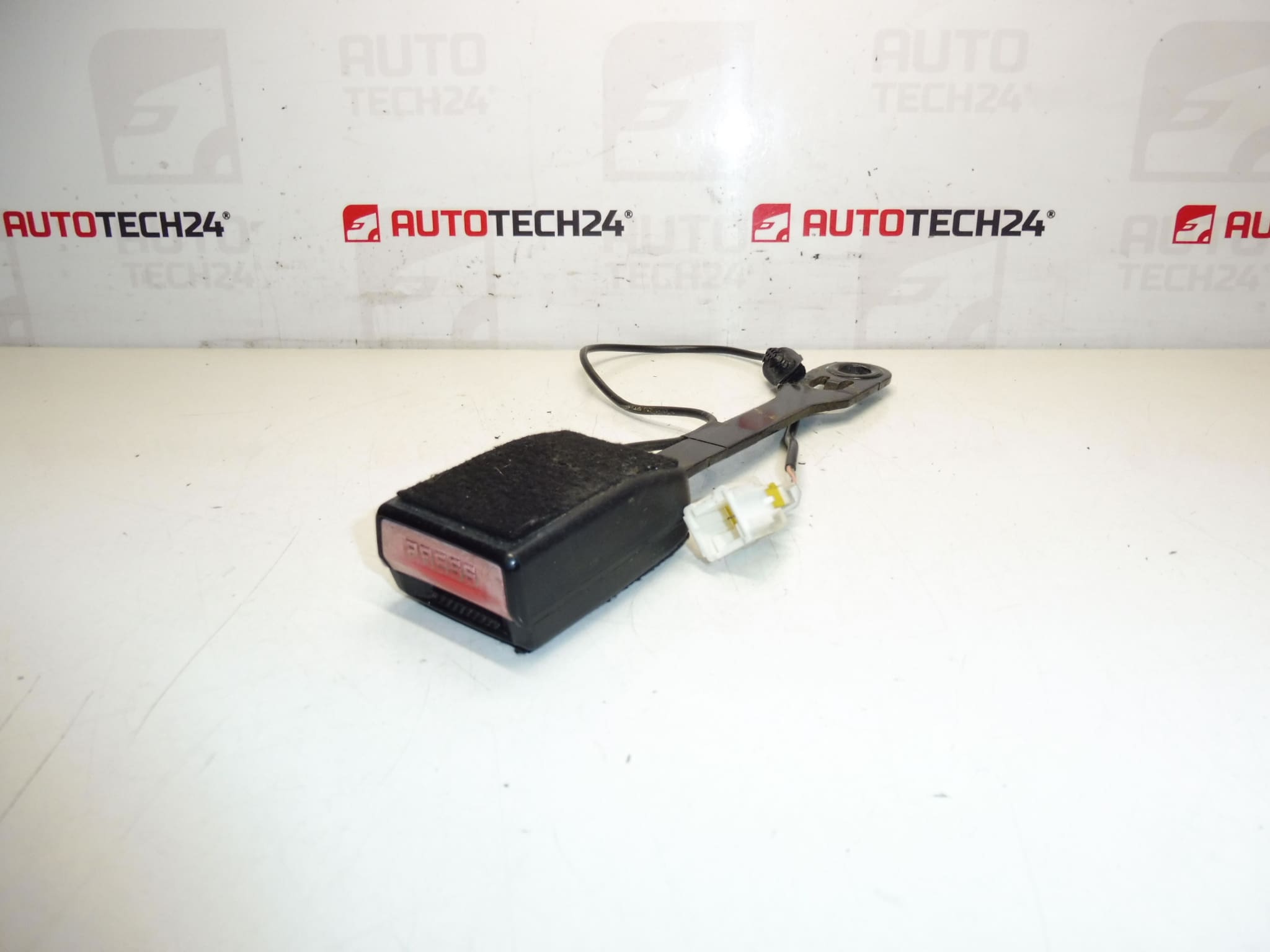
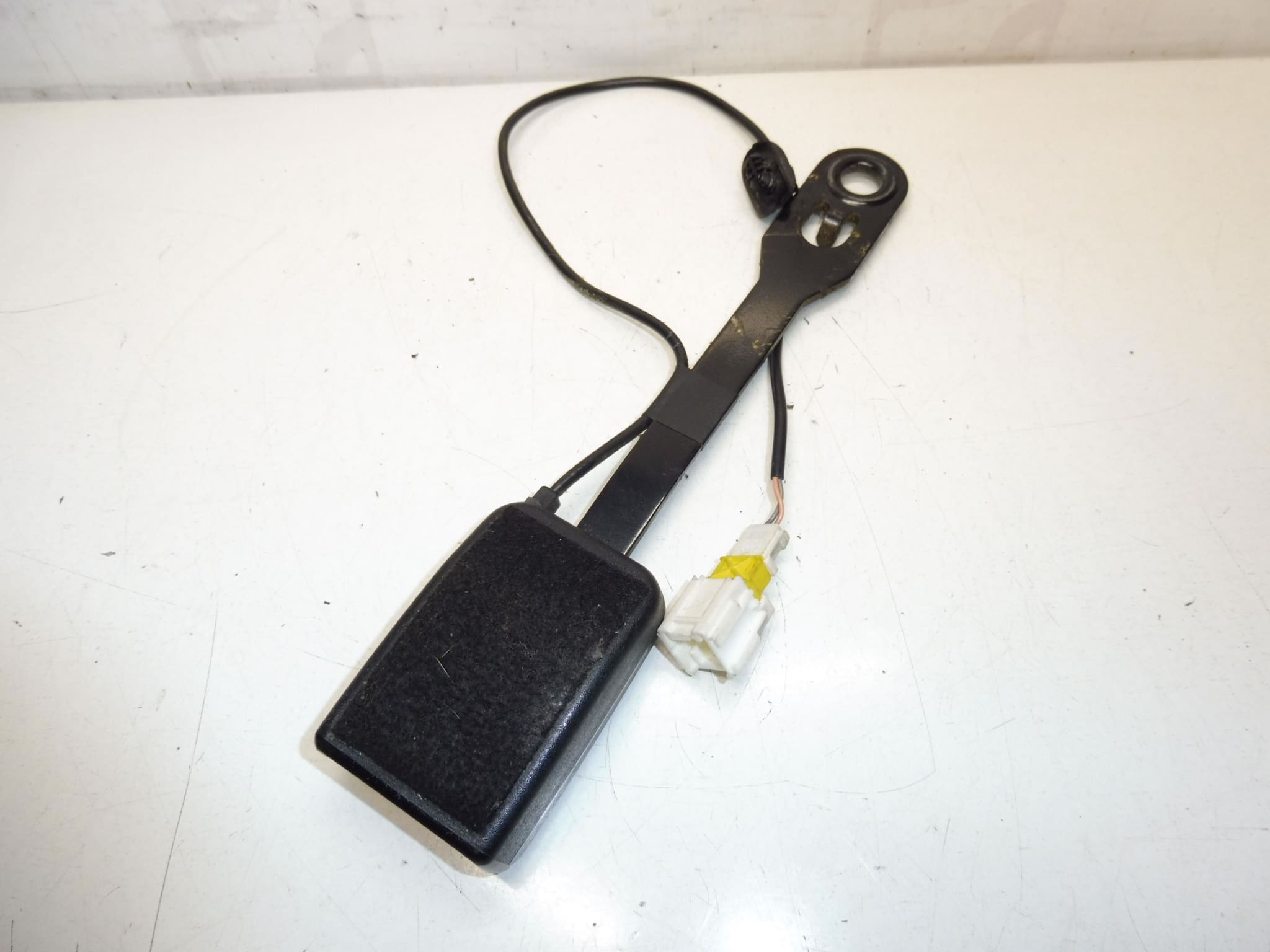
Driver’s seat belt buckle holder for PEUGEOT 307
Version FXX- – BLACK
Part description
Used driver’s seat belt buckle holder for Peugeot 307 with product number 8973PT. This is a component that secures the seat belt buckle, and it is important that it is undamaged and correctly installed. The black version is identified in the reference materials by code FXX-.
When looking for a replacement part, compare the number 8973PT, the shape of the holder, and its mounting with the original part in particular. A replacement with the corresponding design allows you to replace a damaged holder without modifying the mounting. The model designation alone may not be sufficient to select the correct variant.
Technical information
- Manufacturer: not specified
- Model: Peugeot 307
- Part type: seat belt buckle holder
- Application: driver’s seat belt
- Version: FXX- – BLACK
- Condition: used part
- Other numbers: not specified
Product codes
- Product codes: 8973PT
- Model: Peugeot 307
Number 8973PT is the primary reference for finding this holder. Before installation, you must also compare its design and mounting method.
Installation recommendations
The following procedure is general for seat belt buckle holders. The exact access, removal method, and fastener requirements depend on the specific vehicle version. As this is a component of the restraint system, we recommend that installation be carried out by a qualified mechanic in accordance with the manufacturer’s service instructions.
1) Before installation
- Compare the markings, shape, dimensions, mounting holes, and connection to the seat belt buckle with the old part.
- Check that the used holder has no cracks, deformation, significant corrosion, elongated holes, or signs of improper modification.
- Also assess the condition of the anchor points and surrounding parts of the restraint system. Do not use a part suspected of having been subjected to crash loads. A visual inspection alone may not reveal hidden damage.
2) Required tools and materials
- Suitable hand wrenches and socket tools, depending on the actual fastener design.
- A torque wrench for tightening according to the service documentation.
- Work lighting, protective gloves, and tools for carefully releasing any covers.
- Fasteners that comply with the manufacturer’s specifications, if replacement is required.
3) Step-by-step installation procedure
- Secure the vehicle against movement and prepare a safe work area.
- Find the service procedure for the specific vehicle version, including the rules for working on the restraint system.
- If the work involves electrical or pyrotechnic components, disconnect the power supply and observe the manufacturer’s specified waiting period. The reference materials do not state whether the item offered includes such components.
- Access the holder’s mounting points. Remove any covers or surrounding components only to the extent required by the service procedure.
- Record the holder’s original orientation and the order of the fasteners.
- Release the fasteners with a suitable tool and remove the damaged holder without straining the surrounding components.
- Inspect the anchor points and threads. If any damage is found, stop the installation and arrange for a professional assessment.
- Compare the two parts side by side. The replacement holder must fit without force, bending, or modifying the holes.
- Position the holder in the correct orientation and secure it according to the manufacturer’s documentation. Follow the specified tightening procedure and any requirement to use new fasteners.
- Reinstall the removed components, check that the seat belt buckle is easily accessible, and restore the power supply, if applicable, according to the service procedure.
4) Post-installation checks and function verification
Check that the mounting is secure, the holder is correctly positioned, and there is no unwanted play. Repeatedly test fastening and releasing the seat belt; the tongue must lock securely in the buckle. Check that the belt is not twisted and that surrounding components do not obstruct its use. If electrical connections were affected, also check the operation of the relevant systems. A test drive is no substitute for checking the safety mounting; use the vehicle only after all faults have been remedied.
5) Most common installation mistakes + how to avoid them
- Confusing similar-looking parts: compare both the product number and the mounting design.
- Incorrect orientation or order of components: document the original assembly before removal.
- Tightening by guesswork: use a torque wrench and the vehicle manufacturer’s specifications.
- Modifying the holder to make it easier to fit: do not bend or weld the holder, or enlarge its holes.
- Overlooking a damaged anchor point: inspect not only the part being replaced, but also its mounting in the vehicle.
Reasons why the part may become damaged
In general, this type of component may be damaged in the following ways; this is not a description of the history of the item offered:
- Loads during a traffic accident, which may cause deformation or hidden damage.
- Mechanical stress and impacts when handling surrounding interior components.
- Loose or incorrectly tightened mounting, leading to play and damage to contact surfaces.
- Moisture and corrosion, which may compromise the holder material or its joints.
- Improper removal or modifications, such as forceful prying, bending, or using unsuitable fasteners.